This website uses cookies. By continuing to browse this site you are agreeing to our use of cookies. Please review our Privacy Policy for more information.






Solutions for Common Agriculture Safety Risks
Regulated extraction and manufacturing facilities managing flammable liquids, hazardous chemicals, and regulated materials rely on engineered storage, spill containment, emergency equipment, and facility safety systems designed to align with NFPA, OSHA, IFC, and EPA requirements.
One Partner. Every Hazard.
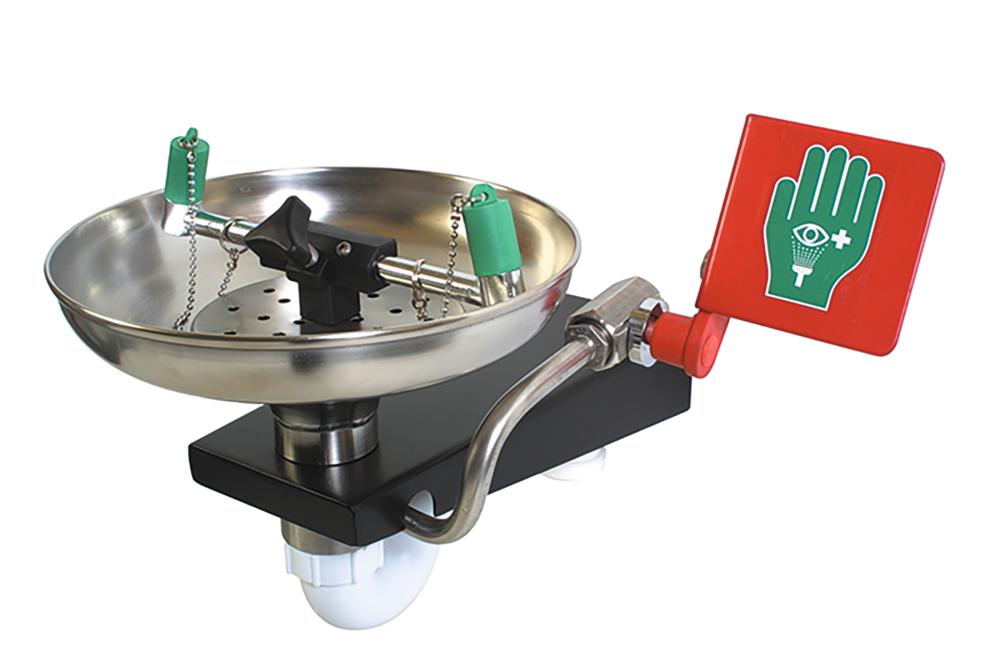
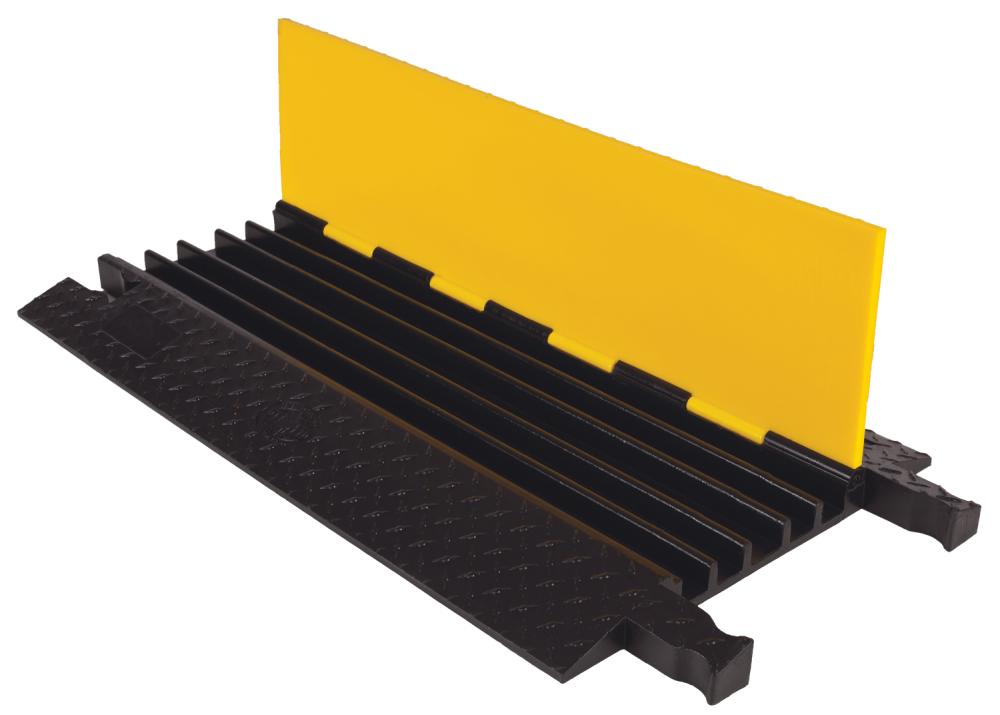
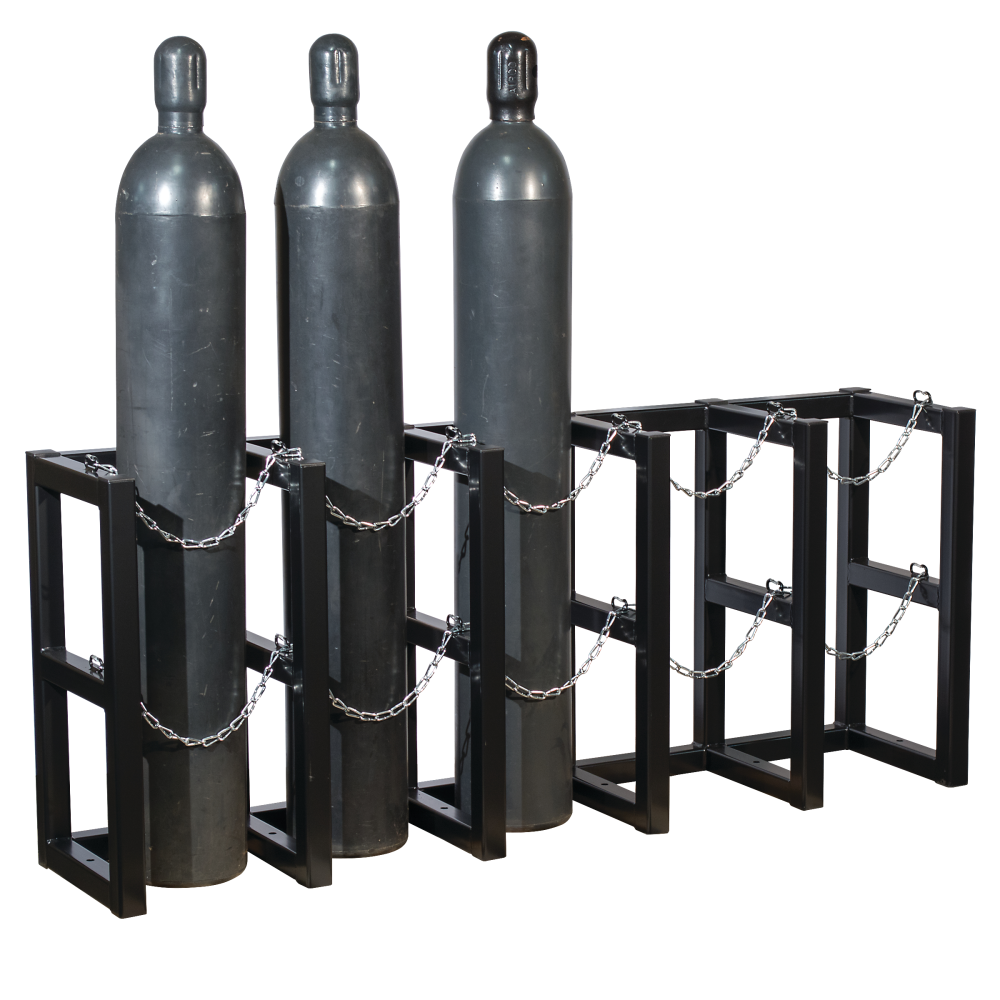
Code-Aligned Hazard Control
Sustained growth in regulated extraction and manufacturing depends on disciplined safety performance and audit-ready operations. Translating evolving code requirements into clear priorities across complex environments can be challenging. STUD-E provides an expert-led, on-site assessment that maps observations to recognized codes and ranks risks to support focused, defensible decisions.

Hazard Locations
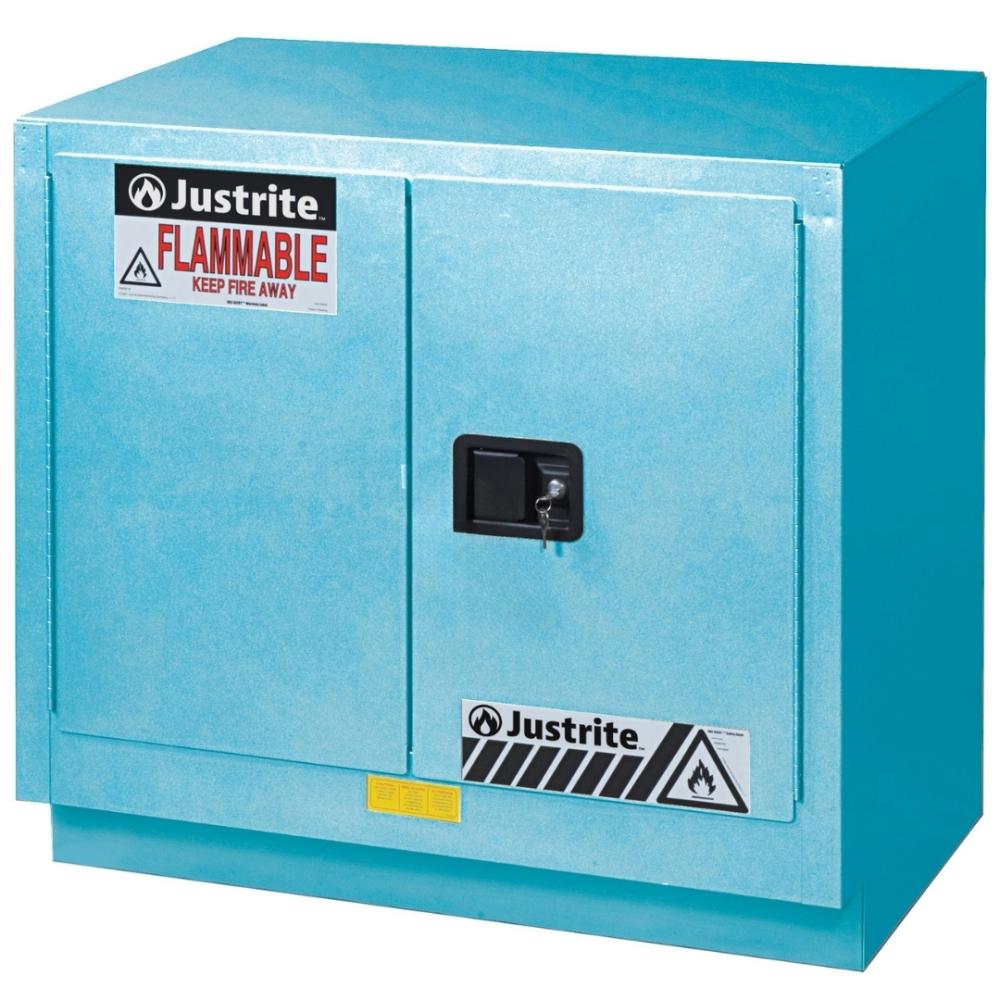
Flammable liquids and chemicals across facility zones.
Hazard Area Review
Reviews solvent storage, flammable cabinets, and chemical segregation from extraction rooms to warehousing.
Code-Based Review
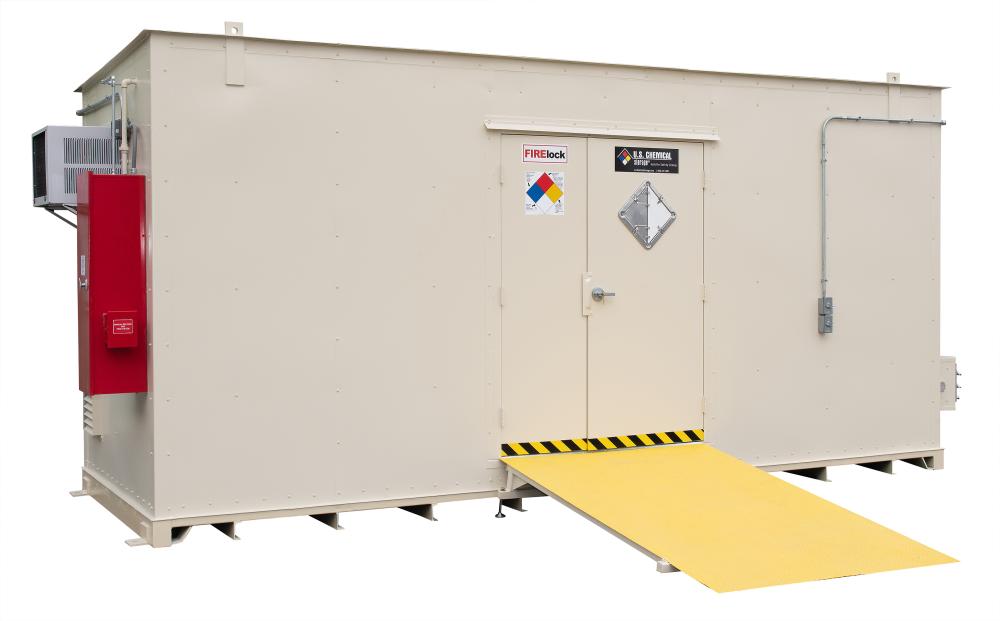
Mapped to NFPA, OSHA, IFC, and ANSI codes.
NFPA and OSHA Codes
Evaluates storage volumes, hazardous locations, and MAQ limits against applicable fire and workplace safety requirements.
Prioritized Risks
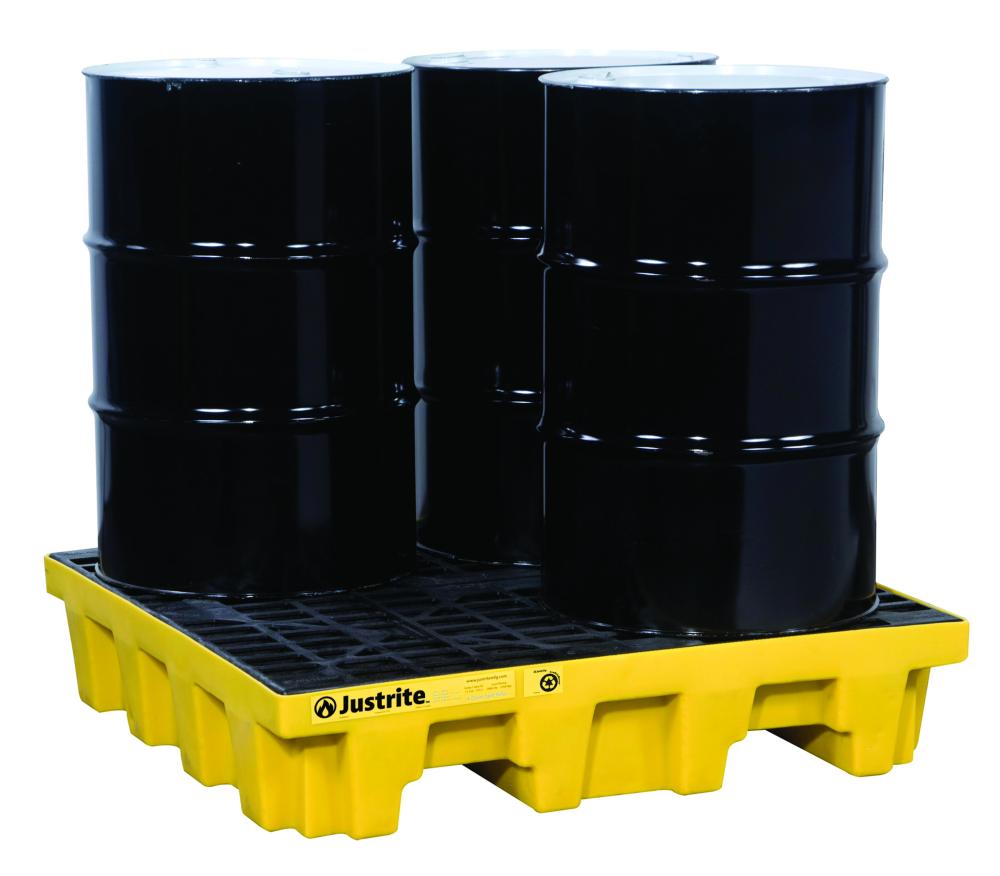
Critical fire and chemical hazards addressed first.
Hazard Prioritization
Ranks fire code violations, improper solvent storage, and containment gaps by operational impact.
Built for Hazardous Environments
Facilities handling flammable liquids, hazardous chemicals, and regulated materials require engineered storage, containment, and emergency equipment designed around NFPA, OSHA, IFC, EPA, and ANSI requirements. Explore solutions placed within real-world environments to see how compliant design supports safer, inspection-ready operations.
View Our Visual Guide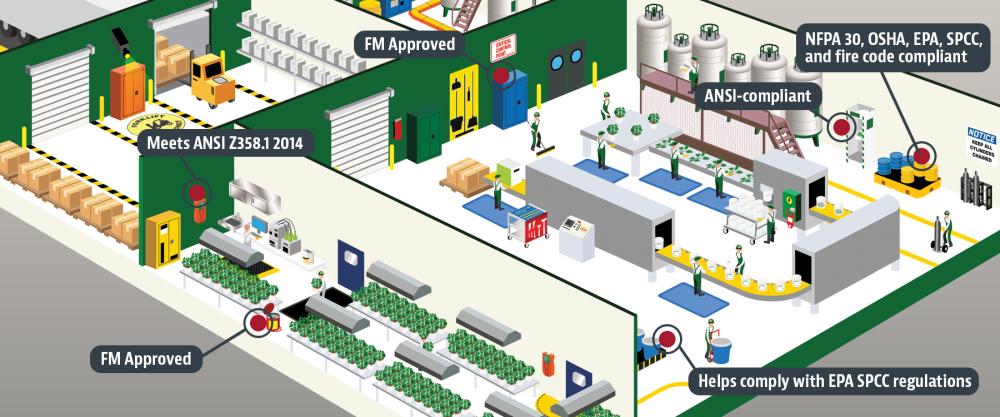

Common Agriculture Safety Questions
Yes. Our solutions are designed for high-hazard extraction and manufacturing environments where flammable liquids, solvent vapors, compressed gases, and hazardous chemicals are part of daily operations. We support facilities that must comply with NFPA, OSHA, IFC, and insurer requirements for fire protection, hazardous material storage, and workplace safety.
Our products are engineered to help facilities meet OSHA, NFPA, IFC, EPA SPCC, and ANSI requirements by supporting compliant flammable liquid storage, chemical labeling and hazard communication, secondary spill containment, static control, compressed gas cylinder storage, emergency eyewash and shower placement, and lockout tagout programs.
Yes. We provide storage and safety solutions for solvent-based operations and classified hazardous locations, including support for Class I Division 1 and Division 2 areas. This includes compliant solvent storage cabinets, safe transfer and waste handling systems, vapor hazard mitigation, static control at dispensing points, and approved cylinder storage.
We support safety and compliance needs across solvent storage rooms, extraction suites, post-processing areas, laboratories and quality control spaces, maintenance zones, warehouses, and loading docks. Our solutions help standardize flammable storage, spill control, and emergency equipment placement across the entire facility.
Our products are engineered for demanding industrial environments and high-traffic production facilities. They are designed to withstand frequent handling, heavy equipment movement, chemical exposure, temperature changes, and routine washdowns while maintaining structural integrity and code compliance.
STUD-E is a complimentary on-site safety and compliance assessment for facilities handling flammable liquids and hazardous materials. It includes a structured walkthrough, identification of storage and hazardous location risks, review of applicable fire and workplace safety standards, and a prioritized report aligned with NFPA and OSHA requirements.
You receive a documented report outlining observed hazards, risk prioritization, relevant fire and workplace safety standards references, and practical recommendations for improving flammable storage, spill containment, hazardous material management, and inspection readiness.
No. There is no purchase requirement. Assessments are scheduled to minimize disruption to production or laboratory operations. Findings are shared confidentially with your designated safety, compliance, or facilities team.
Fire codes typically require flammable liquids to be stored in approved containers and safety cabinets, with proper labeling and segregation from incompatible chemicals. Requirements can also include maximum allowable quantities, ventilation rules for storage areas, and approved safety cans for dispensing. Facilities should reference NFPA and the International Fire Code and confirm local enforcement expectations.
Class I, Division 1 describes a hazardous location where flammable gases or vapors may be present under normal operating conditions. In these areas, equipment and controls often must be rated for the classified environment, ignition sources must be controlled, and solvent storage and transfer practices must reduce vapor release and static discharge. Classification and design should follow applicable electrical and fire codes.
Maximum allowable quantities, often called MAQs, are determined by the type of hazardous material, its physical state, and the occupancy classification of the space. Facilities typically total the quantities stored or used in a control area, compare them to code limits, then apply requirements such as rated cabinets or rooms, separation distances, and secondary containment. Because MAQ rules vary by jurisdiction, confirm calculations against the adopted International Fire Code and local amendments.
While certain products may not be regulated uniformly at the federal level, workplace safety and fire protection standards still apply. Facilities are typically regulated by state and local authorities who adopt and enforce codes such as the International Fire Code, NFPA standards, and state OSHA programs. Compliance requirements often vary by jurisdiction, so facilities must align with the codes adopted by their state and local fire marshal or building authority.