This website uses cookies. By continuing to browse this site you are agreeing to our use of cookies. Please review our Privacy Policy for more information.






A Complete Safety Portfolio for the Standards You Work Under
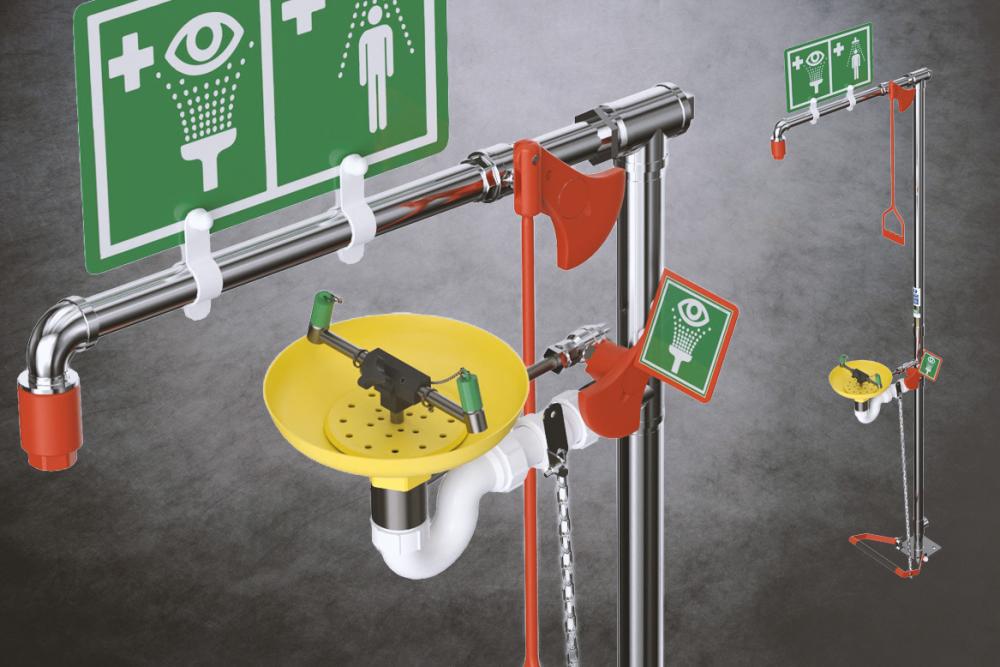
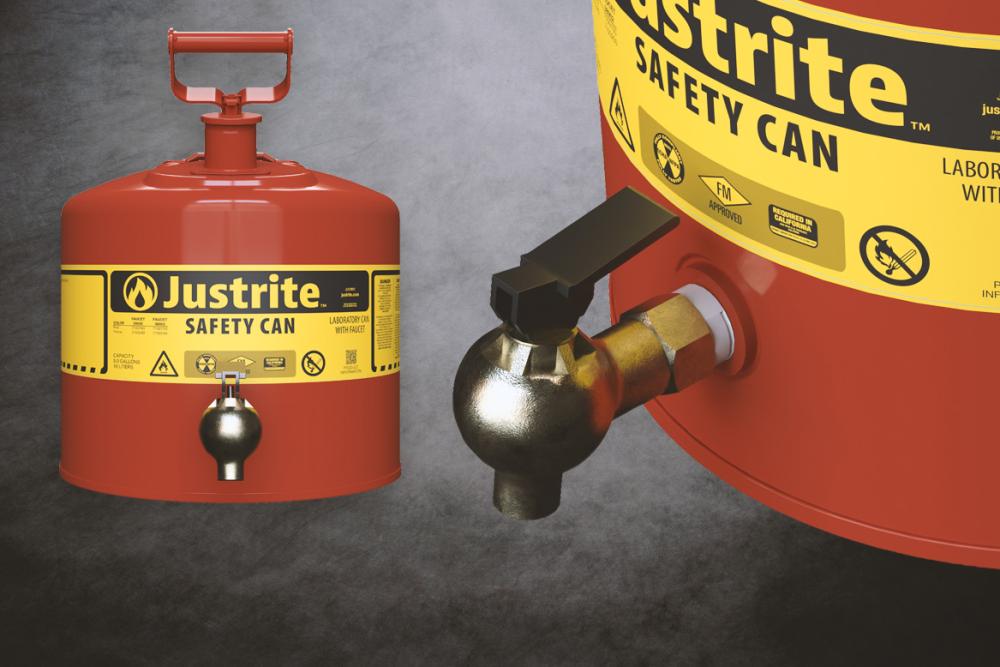
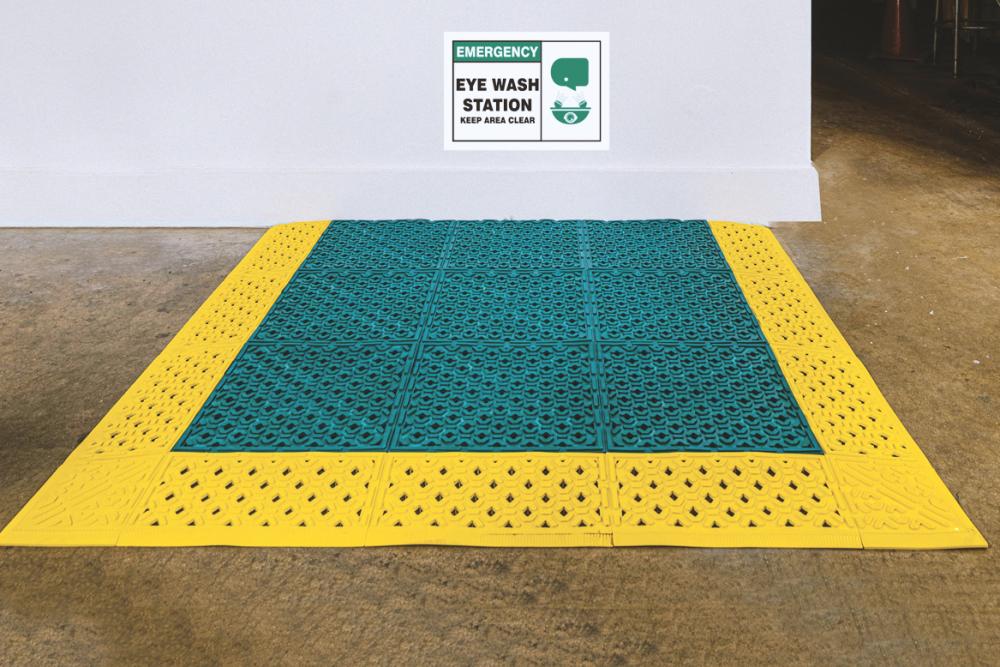
Laboratory safety depends on how well systems perform against the standards that govern them. Justrite Safety Group provides a comprehensive portfolio spanning chemical storage, hazardous waste handling, spill control, and emergency response—designed to support compliant practices across the lab environment.
One Partner. Every Hazard.
See Your Lab the Way a Safety Expert Does
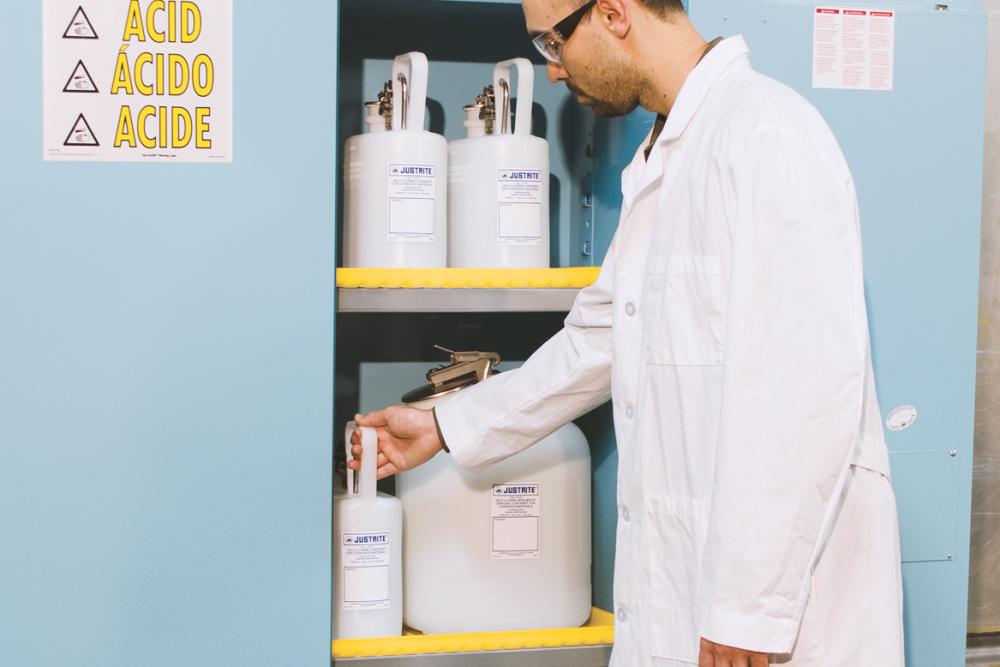
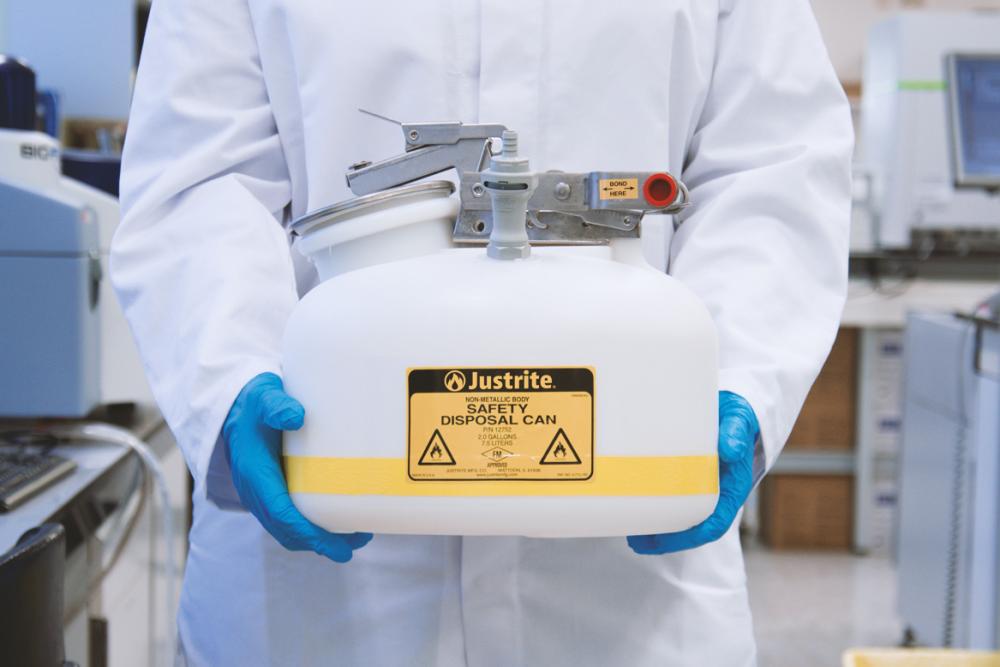
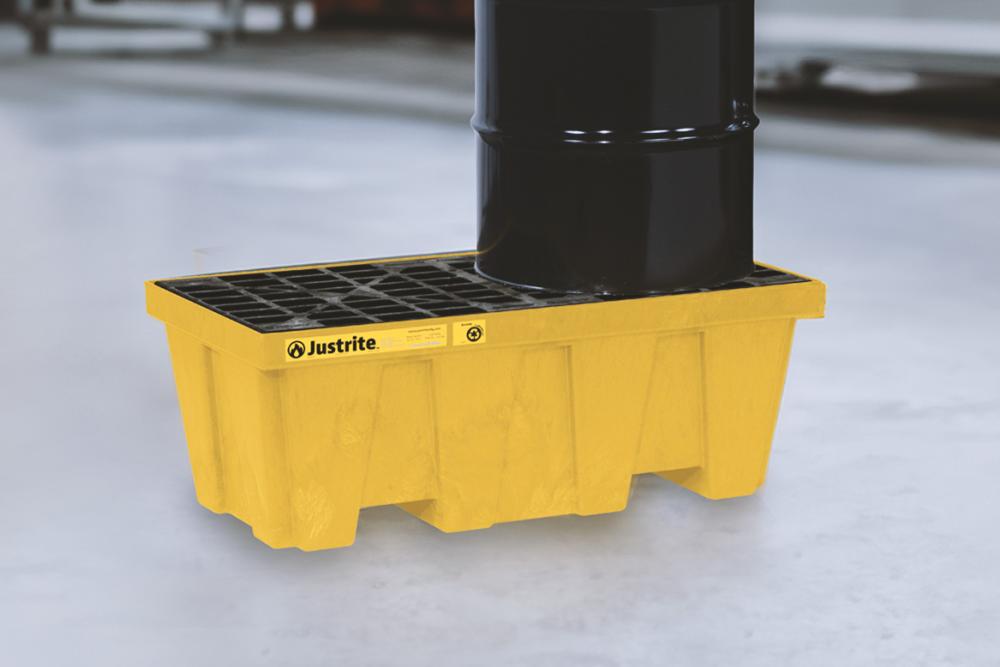
Lab safety gaps are not always obvious. Identifying them requires experience across storage, waste handling, and compliance standards—and the ability to connect what’s observed to what’s required.
The STUD-E™ assessment provides a structured, on-site review that identifies risks, aligns them with code requirements, and helps teams focus on what matters most.

Where Risk Lives
Risks often exist in day-to-day conditions and may not be visible without a trained review.
Full Lab Coverage
Reviews safety conditions across the full lab environment, including chemical storage areas, waste accumulation points, workstations, and emergency response equipment—where risks are most often identified during safety evaluations.
Code-Based Review
Observations mapped directly to safety standards.
Compliance Standards
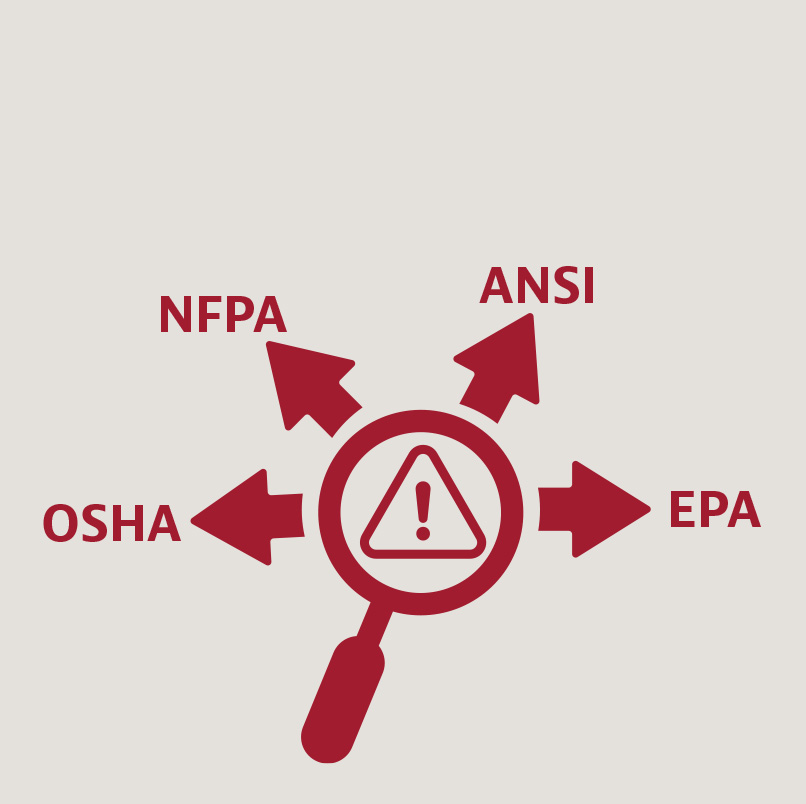
Evaluates lab conditions against applicable OSHA, NFPA, ANSI, and other safety requirements.
Prioritized Risks
Not all risks carry the same urgency.
Action First
Ranks findings by urgency so critical issues are addressed first.
Engineered for Compliance. Proven in Lab Environments.
Lab safety solutions must do more than meet requirements—they must perform under real working conditions. Justrite Safety Group designs products aligned with OSHA, NFPA, and ANSI standards while addressing the realities of chemical exposure, daily handling, and emergency response.
View Our Visual Guide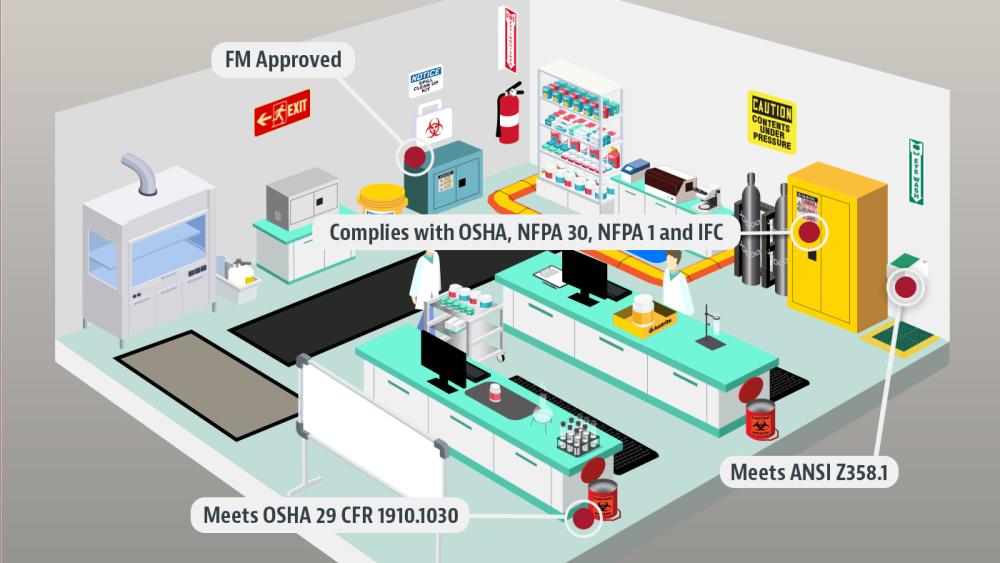

Common Lab Safety Questions
Common risks include improper chemical storage, hazardous waste accumulation, fire hazards from flammable materials, and gaps in emergency preparedness. These risks are often tied to how materials are stored, handled, and accessed during daily lab operations.
Risks often appear in everyday conditions such as deteriorating storage cabinets, improper chemical segregation, waste containers in work areas, or limited access to emergency equipment. These conditions may not be obvious without a structured review.
Key areas include chemical storage locations, waste accumulation points, workstations, spill containment measures, and emergency response equipment such as eyewash and safety showers.
Prioritization typically depends on the severity of risk, regulatory exposure, and the likelihood of incidents. Higher-risk conditions, such as fire hazards or exposure risks, are usually addressed first.
Safety assessments provide a structured way to review conditions, identify risks, and understand how current practices align with applicable standards, helping teams make more informed decisions.
STUD-E™ is a complimentary, expert-led, on-site safety and compliance assessment offered by Justrite Safety Group. It is valued at $5,000 and helps identify facility risks, reference applicable safety standards, and prioritize where action is needed across a range of work environments.
No. STUD-E™ assessments are conducted in active labs with minimal disruption. Teams continue working while observations are made.
No. STUD-E™ is designed to provide insight and clarity. There is no obligation to purchase products or services after the assessment.
Our solutions are designed for environments where chemicals are handled, stored, and processed under strict safety and compliance requirements. This includes considerations such as chemical resistance, controlled spaces, and alignment with applicable standards.
Our products are designed with applicable safety standards in mind. When OSHA, NFPA, ANSI, or EPA requirements apply to a lab condition, those standards inform how products are engineered, specified, and recommended.